Behavioral Bonus Triggers: Uncovering the Mechanics Behind Personalized Wagering Incentives
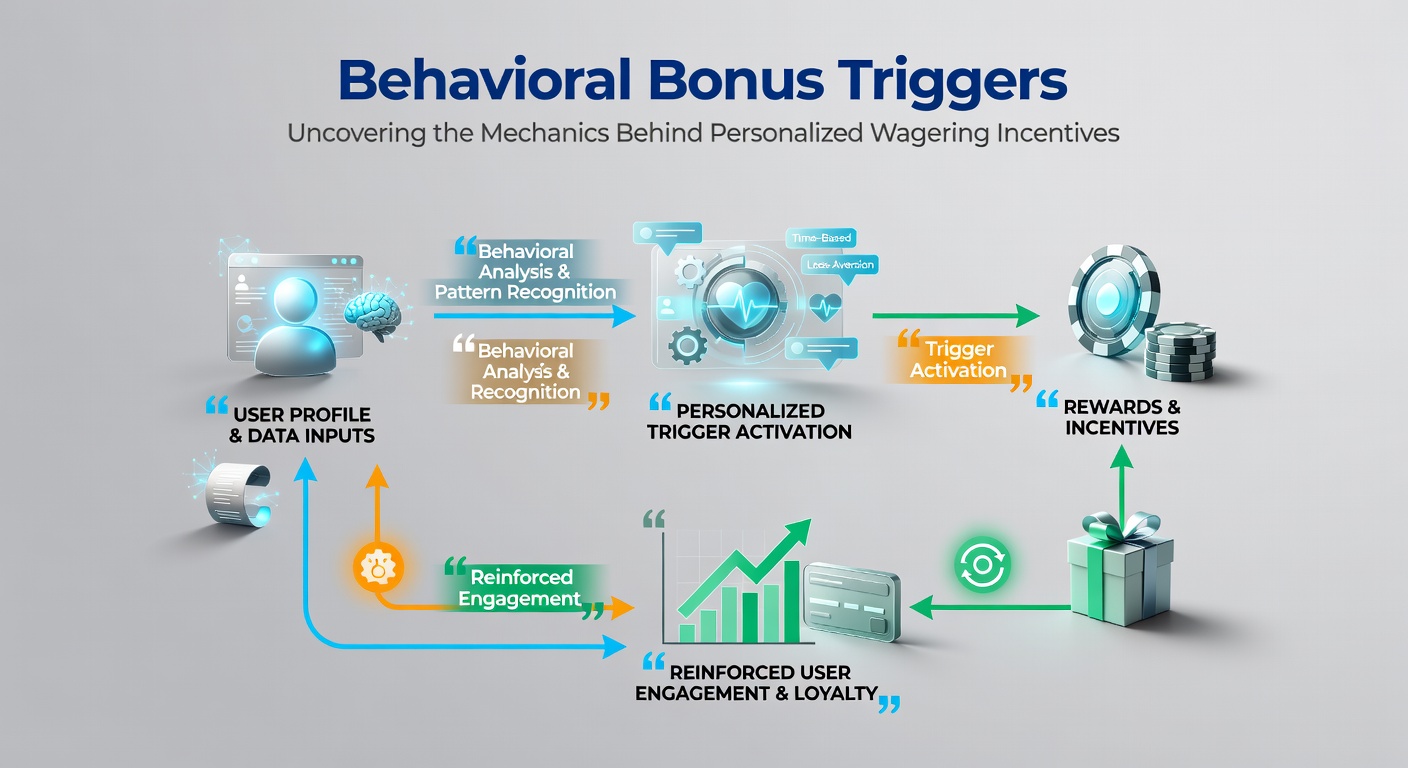
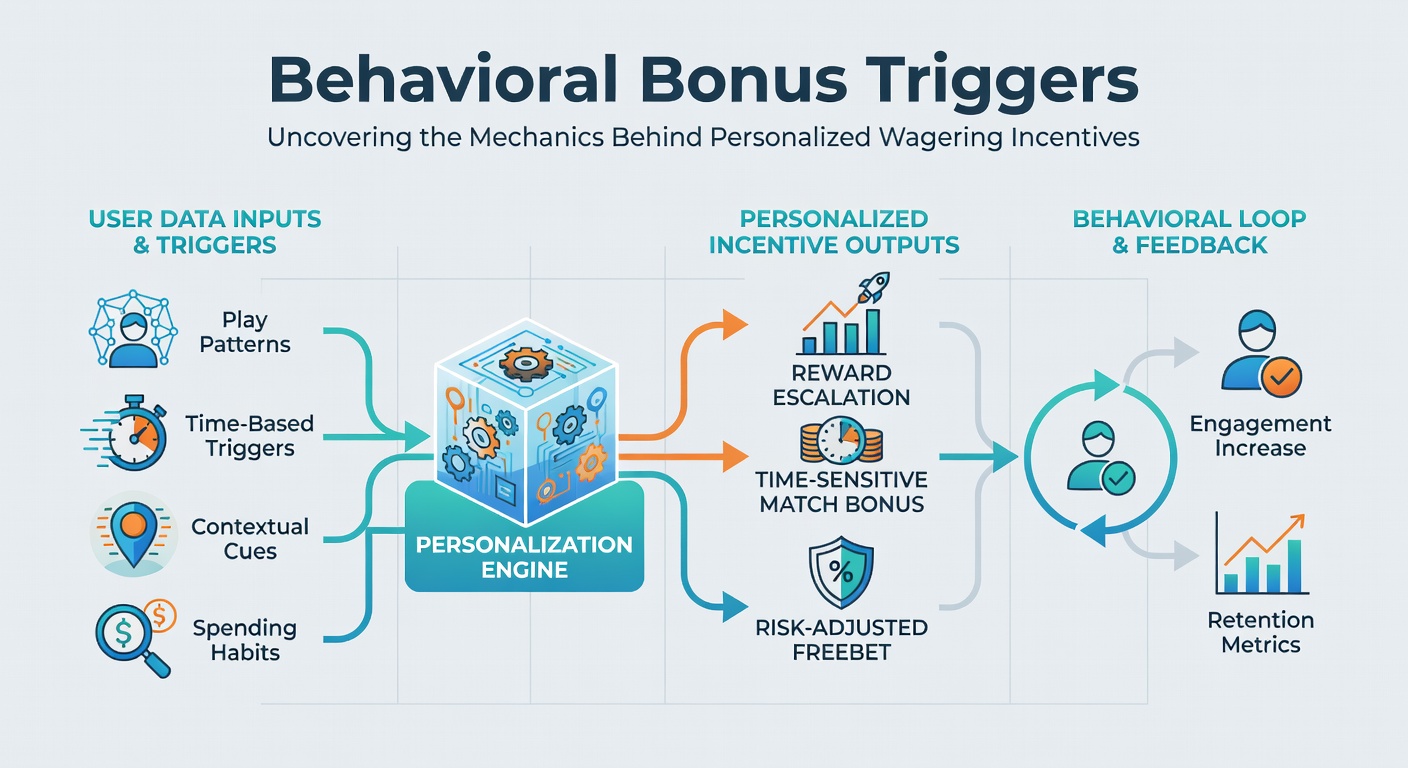
Operators across global wagering markets deploy data-driven systems that identify specific player actions and convert them into targeted incentives, creating what analysts describe as behavioral bonus triggers. These mechanisms track metrics such as bet frequency, stake sizes, preferred markets, and session durations through integrated platform software, then apply algorithmic rules to generate offers like boosted odds or matched deposits that match observed patterns. Research from institutions like the University of Nevada, Las Vegas indicates that such personalization increases retention rates by aligning rewards with demonstrated habits rather than generic promotions.
Data Collection Foundations
Platforms gather information through account registrations, device identifiers, and real-time activity logs that capture every wager placed along with timing and outcome details, building profiles that evolve with continued play. This continuous monitoring allows systems to segment users into categories such as high-frequency sports bettors or occasional casino participants, triggering distinct incentive structures for each group. According to reports from the American Gaming Association, these profiles incorporate historical data spanning months or years, enabling precise adjustments that reflect shifts in individual behavior over time.
Algorithmic Trigger Mechanisms
Once profiles form, machine learning models evaluate variables like recent win streaks or deposit patterns to activate bonuses at optimal moments, such as offering a wager boost immediately after a series of losses to encourage further engagement. These triggers operate through rule-based engines that combine multiple signals, for instance activating a personalized free bet when a player exceeds a predetermined number of accumulator bets within a week. Observers note that the process remains automated, with thresholds calibrated against aggregated industry datasets to balance player satisfaction and operational costs.
Regional Variations in Implementation
In markets outside the United Kingdom, operators adapt these systems to local regulations, with Canadian provincial frameworks emphasizing transparency in how behavioral data influences reward distribution. Australian regulatory bodies require clear disclosure of personalization criteria, ensuring players understand why certain offers appear based on their activity records. Data compiled by the National Council on Problem Gambling shows that such tailored approaches appear across North American and European platforms alike, though exact trigger thresholds differ by jurisdiction and operator scale.
Integration with Broader Loyalty Structures
Behavioral triggers often feed into tiered loyalty programs where accumulated activity points unlock escalating benefits, transforming routine betting into structured progressions toward higher reward tiers. A player who consistently engages with live in-play markets might receive sequential incentives that compound over successive sessions, gradually elevating their status within the platform ecosystem. Industry analyses reveal that these integrations create seamless handoffs from initial personalized offers to sustained VIP pathways without requiring separate enrollment steps.
Anticipated Regulatory Shifts
Beginning in May 2026, several jurisdictions plan adjustments to bonus structures that could influence how behavioral triggers function, particularly around caps on personalized incentives and enhanced reporting requirements for data usage. These changes aim to standardize transparency while preserving the core mechanics that allow platforms to respond dynamically to player habits. Operators have begun recalibrating their algorithms in preparation, focusing on compliance features that maintain incentive relevance under new limits.
Player Response Patterns
Studies tracking engagement metrics demonstrate that recipients of behaviorally triggered bonuses exhibit higher completion rates for wagering requirements compared to those receiving standard promotions. The timing of delivery plays a central role, with systems scheduling offers during peak activity windows to maximize uptake. Figures from international research compilations highlight consistent patterns where such targeted approaches correlate with extended platform interaction across diverse demographic groups.
Conclusion
Behavioral bonus triggers represent a convergence of data analytics and incentive design that continues to shape wagering experiences through precise alignment with observed player conduct. As platforms refine these systems ahead of regulatory updates in 2026, the underlying mechanics emphasize measurable activity signals and algorithmic responsiveness. Continued examination of these processes across regions provides insight into how personalization sustains engagement while adapting to evolving compliance standards.