Croydon Gaming Centre Pushes for 24-Hour Operations Amid Fierce Local Backlash
Croydon Gaming Centre Pushes for 24-Hour Operations Amid Fierce Local Backlash
The Push to Extend Hours at Admiral Gaming Centre
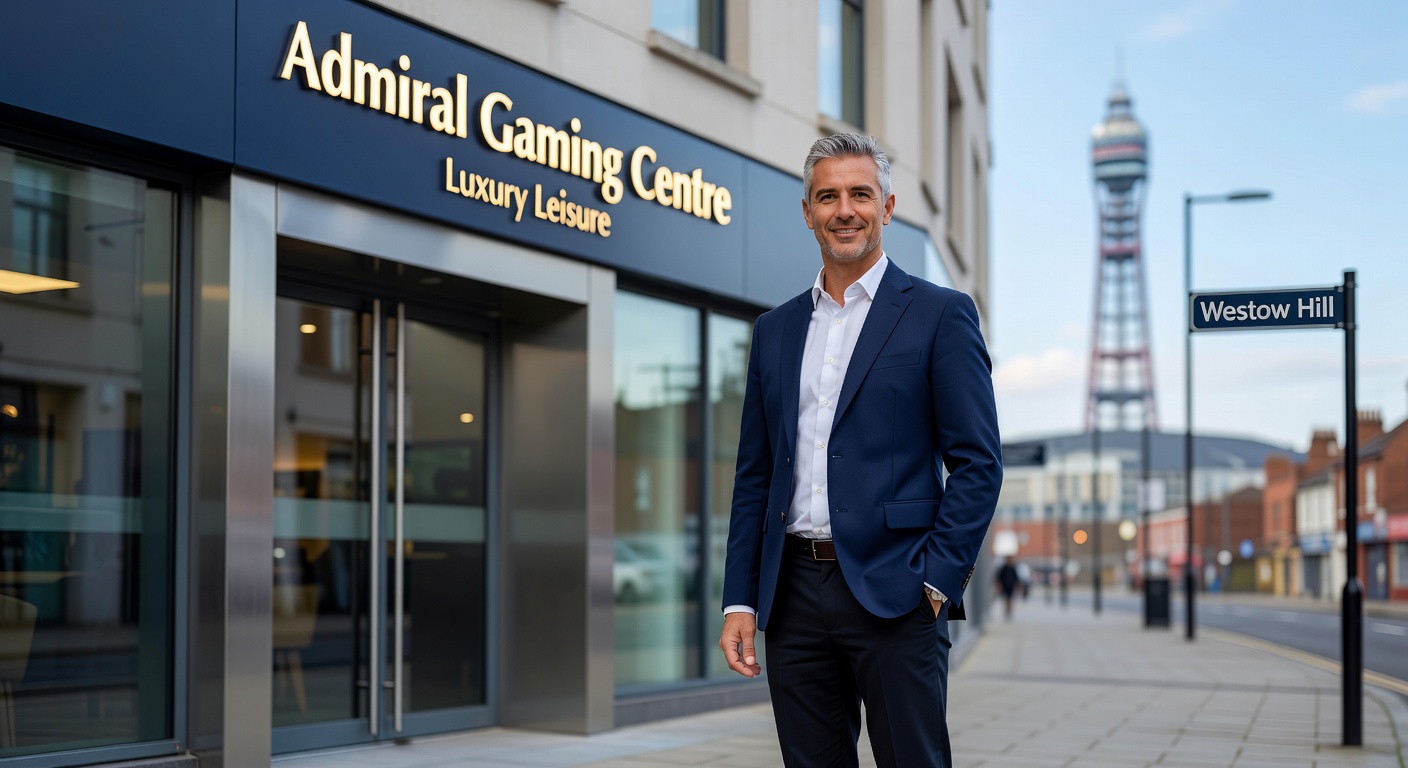
Luxury Leisure, the operator behind the Admiral Gaming Centre at 6 Westow Hill in Upper Norwood, London SE19 1RX, has submitted a formal application to Croydon Council; this move aims to scrap the venue's current restriction of 8am to midnight opening hours while also tweaking staffing rules that currently prohibit any single staff member working alone after 8pm. Details in the application document outline how these changes could pave the way for round-the-clock operations, potentially transforming the small-scale gaming spot into a non-stop hub in the heart of Crystal Palace. And while proponents might see this as a simple business expansion, locals aren't buying it; over 600 residents have already rallied with a petition that paints a starkly different picture.
What's interesting here is the timing; the centre sits on Westow Hill, a lively stretch known for its shops, eateries, and family footfall, where extended hours could shift the area's nighttime vibe considerably. Observers note that adult gaming centres like this one typically feature fixed-odds betting terminals, those electronic machines drawing in players for slots and bets, and removing time caps isn't uncommon in the industry, but it always stirs debate in residential zones. Croydon Council now holds the cards, reviewing the proposal under premises licence regulations that weigh public safety against operator needs.
Residents' Petition Gains Momentum
Leading the charge against the application stands a petition backed by more than 600 signatures, including input from Councillor Clair Bonham, a vocal local figure who's long championed community welfare in Crystal Palace. Signatories argue that 24-hour access would amplify social harms, ramp up antisocial behaviour late at night, and leave vulnerable people more exposed to exploitation; they point to the area's existing issues with noise, litter, and loitering around similar venues. Take one campaigner who shared concerns in public forums: extending hours means more foot traffic when streets empty out, potentially drawing in those struggling with addiction who might otherwise head home.
But here's the thing; the petition doesn't stop at hypotheticals, it ties directly to recent events involving the operator's parent company, highlighting a £1m fine slapped on by the UK Gambling Commission for safeguarding failures that left players at risk. Data from the regulator shows such penalties often stem from lapses in age verification, self-exclusion processes, or failure to spot problem gambling, issues that residents fear could worsen without strict hour limits or solo staffing bans. People who've studied these cases often discover that night owls, including those with mental health challenges or financial woes, flock to all-hours spots, turning convenience into a trap.
Crystal Palace locals, from families on nearby estates to shop owners along Westow Hill, have flooded comment portals with stories; one parent recounted dodging rowdy groups outside the centre after dark, while another flagged how extended hours might clash with school runs and community events that define the area's daytime charm. And as signatures climb past 600, the groundswell suggests this isn't just grumbling, it's organized pushback with real weight in council deliberations.
Spotlight on Luxury Leisure and the Recent Fine
Luxury Leisure operates a string of Admiral-branded gaming centres across the UK, each navigating local licensing quirks like Croydon's hour caps designed to curb late-night excesses; yet this bid marks a bold step, seeking not just flexibility but full 24/7 potential by ditching the post-8pm solo staff rule. Turns out, the company's track record adds fuel to opponents' fire: just months ago, the UK Gambling Commission levied that £1m penalty after audits revealed systemic safeguarding shortfalls at multiple sites. Figures from the regulator indicate the fine covered failures in monitoring high-spend players, inadequate staff training on vulnerability flags, and delays in enforcing exclusion lists, all of which hit headlines and eroded trust.
Experts who've tracked the sector know these incidents aren't isolated; one review of similar fines showed operators often scramble to comply post-penalty, but residents question if lessons stick when expansion pushes follow so closely. In Crystal Palace, where the centre blends into a parade of independents and cafes, the proposal raises eyebrows because it challenges a delicate balance: daytime trade without nighttime fallout. Campaigners highlight how the fine, detailed in commission reports, involved real people, like those overlooked during binge sessions, underscoring why staffing mandates exist after dark.
So while Luxury Leisure frames the application as operational necessity, perhaps to match competitor hours or boost revenue amid rising costs, the optics clash hard with that fresh enforcement action; locals see vulnerability risks spiking if lone staff handle peak late shifts, especially given the parent's compliance history.
Croydon's Review Process and Public Input Window
Croydon Council handles these applications through its licensing committee, a body that scrutinizes plans against the Licensing Act 2003 objectives: preventing crime, protecting children, and minimizing public nuisance. Now, with the proposal lodged, the clock ticks toward decisions; public comments remain open until March 2, 2026, giving residents, businesses, and groups like the petition backers a clear shot to weigh in via online forms or council meetings. Observers note that strong opposition, especially with named councillors involved, often sways outcomes, as seen in past Crystal Palace venue tussles where hours stayed capped.
Here's where it gets interesting: the process invites evidence, from noise logs to crime stats near the site, and both sides gear up; Luxury Leisure must demonstrate mitigations like enhanced CCTV or addiction support links, while opponents marshal petition numbers and fine details. And although councils rarely rubber-stamp 24-hour bids in residential hubs, approvals sometimes land with conditions, such as peak-hour staffing boosts or alcohol sale bans.
People familiar with Croydon proceedings recall a nearby bar application last year that folded under similar resident heat, proving the system's responsiveness; yet gaming centres differ, operating sans booze but with addiction hooks that regulators watch closely. As March 2026 nears, the venue's fate hangs on this input surge, with over 600 voices already signaling the battle's intensity.
Local Impacts and Community Dynamics
Westow Hill thrives as Crystal Palace's social spine, hosting markets, gigs, and football crowds spilling from Selhurst Park; inserting 24-hour gaming alters that rhythm, opponents contend, since machines lure steady play regardless of clock. Studies on all-hours venues reveal upticks in disorder calls, from 15% higher in some boroughs per police data, although Croydon specifics await fresh logs. Residents like those in the petition describe a neighbourhood proud of its village feel, where late-night quiet aids sleep and safety, now threatened by glowing arcade lights past midnight.
Yet the application nods to economic upsides, like jobs and footfall for nearby spots, though critics counter that harms outweigh gains when vulnerability enters the mix. One shopkeeper quoted in local coverage worried about spillover crowds deterring families, echoing patterns from other high streets where expansions backfired. And with the parent's £1m fine still echoing, trust gaps widen; campaigners push for status quo, arguing current hours strike the right balance between access and restraint.
Conclusion
The Admiral Gaming Centre application crystallizes tensions in Croydon's gaming landscape, pitting business ambitions against community safeguards; Luxury Leisure's bid for 24/7 flexibility faces a wall of over 600 petition signatures, councillor support, and scrutiny over a recent £1m parent company fine. As Croydon Council pores over submissions through March 2, 2026, the outcome will shape Westow Hill's nights for years, balancing operator needs with resident realities in a debate that's anything but black-and-white. Locals watch closely, petitions in hand, while the licensing wheels turn; whatever lands, it underscores how local rules hold sway in the broader gambling conversation.