Inside the Data Streams: How Wagering Patterns Fuel Operator-Specific Loyalty Bridges
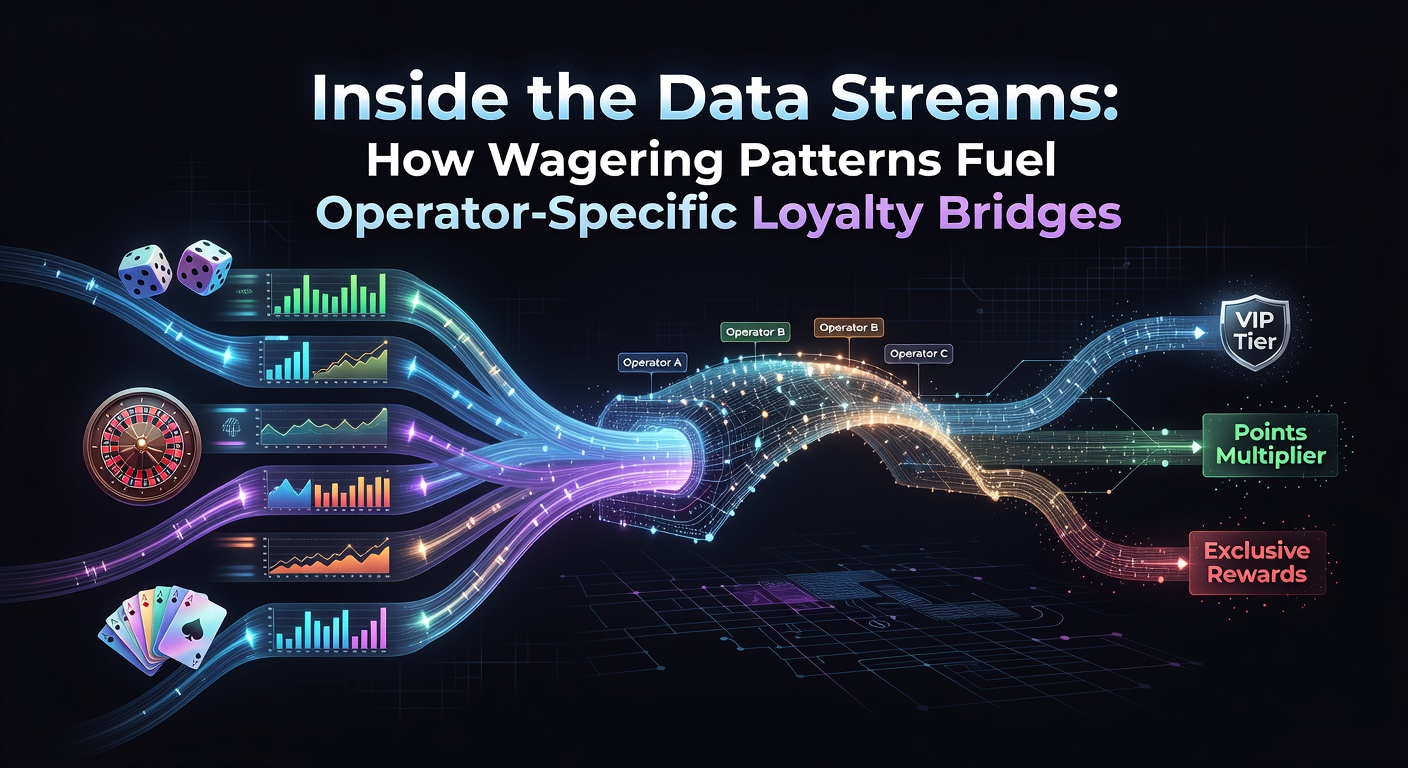
Data streams from player activity now form the foundation for loyalty programs that operate differently at each betting company, and these systems connect sports wagering directly to casino offerings through operator-specific rules. Wagering patterns reveal preferences in bet types, session lengths, and game selections, which operators analyze to create bridges that move users between verticals while maintaining distinct reward structures.
Tracking the Flow of Wagering Information
Operators collect detailed records of every stake, including timing, amount, and outcome, then process this information through internal algorithms that identify recurring behaviors. Researchers have observed that patterns such as repeated in-play football bets or steady roulette spins trigger different loyalty pathways depending on the company managing the account. One study revealed that users who place multiple small wagers daily often receive prompts directing them toward casino slots with progressive elements, while those favoring larger single bets see offers tied to live dealer tables.
These distinctions matter because each operator builds its own set of loyalty rules rather than following a universal template. Data indicates that companies with integrated platforms use the same user profile across sports and casino sections, yet the points earned and redemption options vary by brand. According to reports from the European Gaming and Betting Association, this approach allows operators to retain users longer by matching rewards to observed habits instead of applying generic bonuses.
How Patterns Create Cross-Vertical Connections
Wagering data serves as the link that moves a player from one product area to another without breaking the loyalty sequence. For example, consistent accumulator bets on weekends can generate points that unlock casino free spins the following week, and the conversion rate depends on rules set by that specific operator. Observers note that these bridges function because the underlying data remains within the company's systems, allowing seamless transfer of status levels between sections.
Figures from industry analyses show that users who engage with both verticals within the same account tend to increase overall activity when loyalty mechanics align the two areas. Patterns such as evening sports betting followed by late-night casino sessions appear frequently in datasets, and operators respond by designing tiered benefits that reward this sequence. The result is an operator-specific loyalty bridge that feels natural to the user while advancing company retention goals.
Technical Structures Behind the Bridges
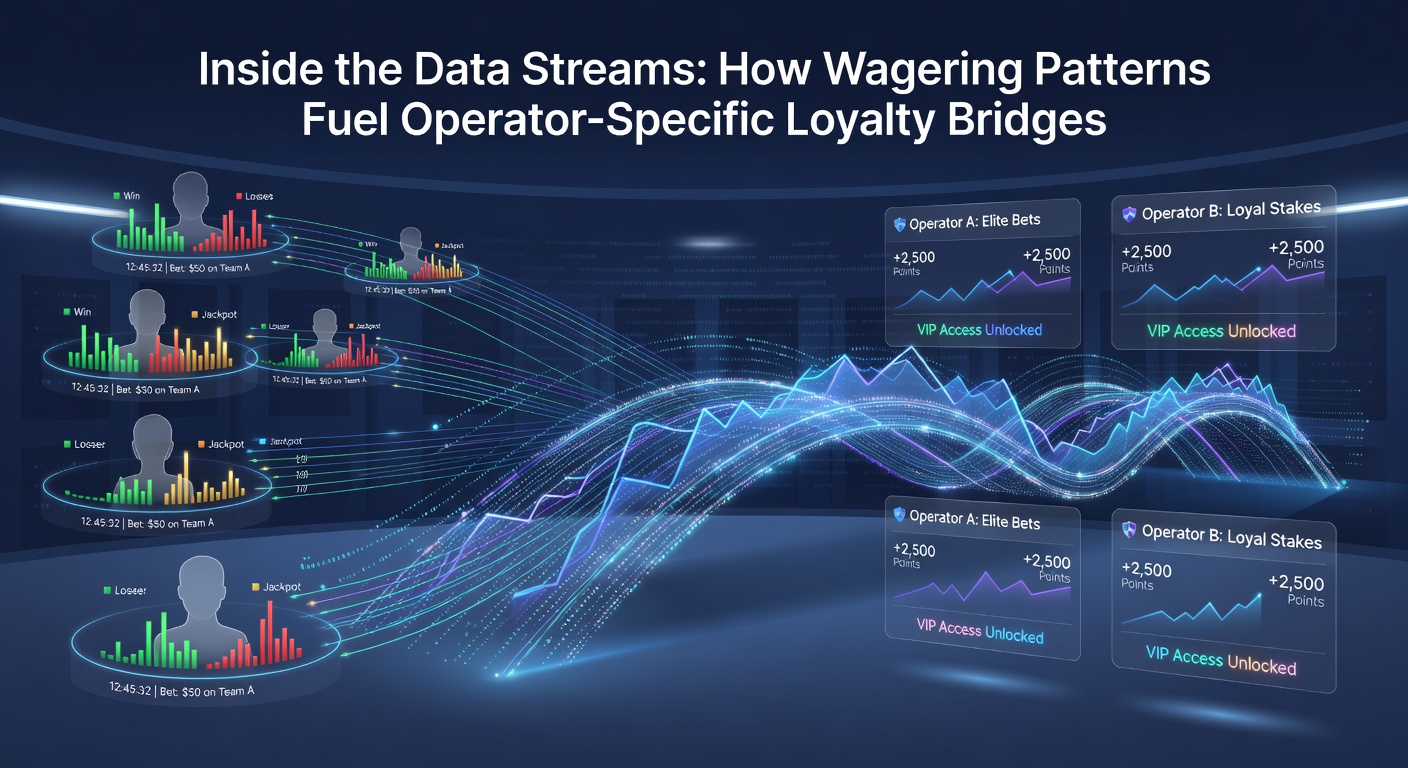
Backend systems categorize wagering data into segments that feed directly into loyalty engines, and each operator maintains unique weighting for different activities. Sports bets might accumulate points faster during major tournaments, while casino play receives multipliers during promotional windows, yet the exact formulas remain proprietary to the company. Those who've examined platform architectures report that these custom rules prevent easy comparison across operators and encourage users to stay within one ecosystem.
Integration points between sports and casino verticals rely on shared user identifiers and real-time updates to loyalty balances. When a pattern emerges, such as increased stakes after a win, the system can immediately adjust offers in the other vertical. Data shows this responsiveness keeps engagement high because rewards appear at moments when users are already active. Academic work from gambling research centers has documented similar mechanisms in multiple markets, confirming that operator-specific tuning produces measurable differences in retention rates.
Developments Anticipated by Mid-2026
Platform updates scheduled around June 2026 are expected to refine how wagering data translates into loyalty status, with greater emphasis on predictive modeling. Operators plan to incorporate more granular signals, including device usage and time-of-day preferences, to strengthen the bridges between verticals. These changes build on existing frameworks rather than replacing them, so current patterns will continue influencing future reward structures.
Regulatory shifts in various jurisdictions may also affect data handling practices, yet the core process of converting wagering patterns into operator-specific loyalty remains intact. Industry reports project continued investment in these systems because they deliver consistent user movement across products without relying on external partnerships.
Conclusion
Wagering patterns supply the raw material that operators transform into loyalty bridges connecting sports and casino sections under brand-specific rules. The data flows through proprietary systems that identify habits and deliver tailored incentives, creating pathways that differ from one company to the next. As platforms evolve, these mechanisms are set to incorporate additional signals while preserving the operator-driven nature of the rewards. The process demonstrates how detailed activity records translate into sustained engagement across multiple betting verticals.