Multi-Level Referral Systems Reshape Distribution Models in Multi-Vertical Wagering Platforms
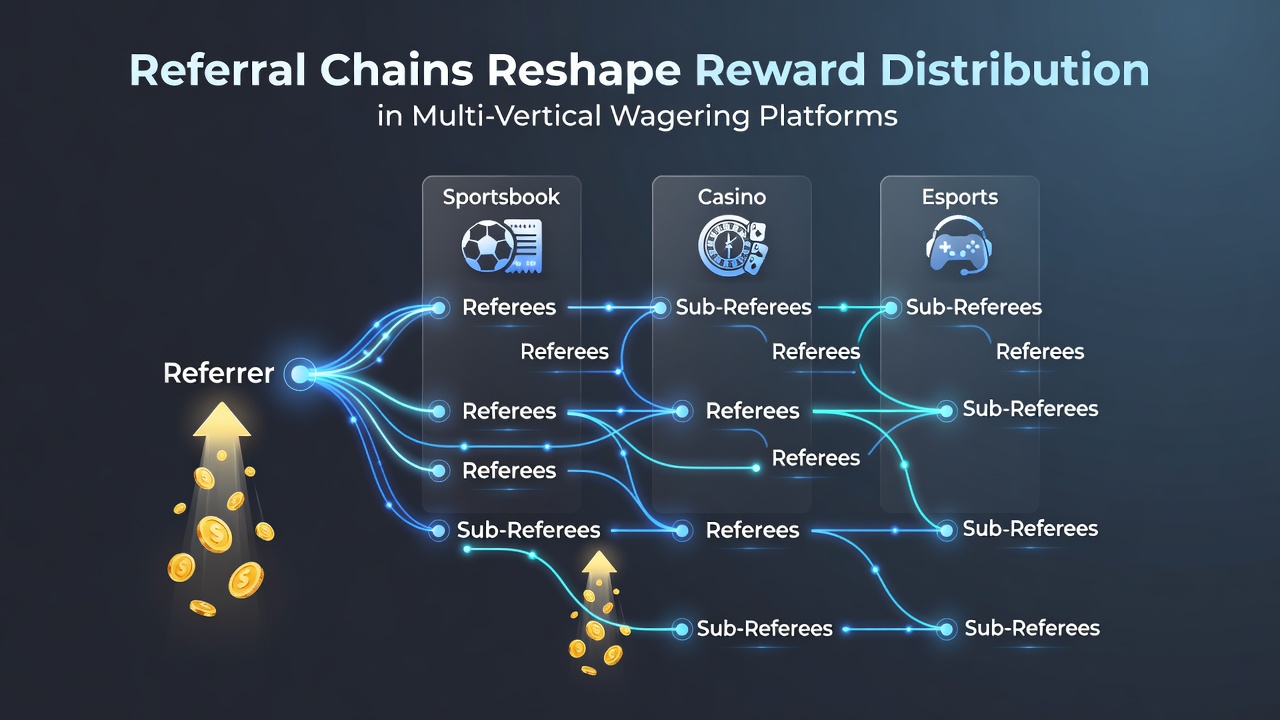
Referral chains have emerged as structured networks where one participant recruits another who in turn recruits additional users, creating extended sequences that span multiple betting categories on integrated platforms. These sequences redistribute rewards such as free bets, deposit matches, and loyalty points across sportsbooks, casino sections, and poker rooms rather than confining them to single verticals. Data from multi-vertical operators indicate that rewards now flow through three to five tiers in many programs, altering the original single-layer allocation patterns observed before 2024.
Platforms that combine sports wagering with casino games and virtual sports have implemented these chains to encourage cross-vertical activity. A user who starts with a sports betting referral often receives incentives to migrate to slot tournaments or table games, while the recruiter earns percentages from both the initial deposit and subsequent activity in the new vertical. Industry reports show this migration increases overall platform retention by linking reward eligibility to activity across categories instead of isolated product use.
Mechanics of Chain-Based Reward Allocation
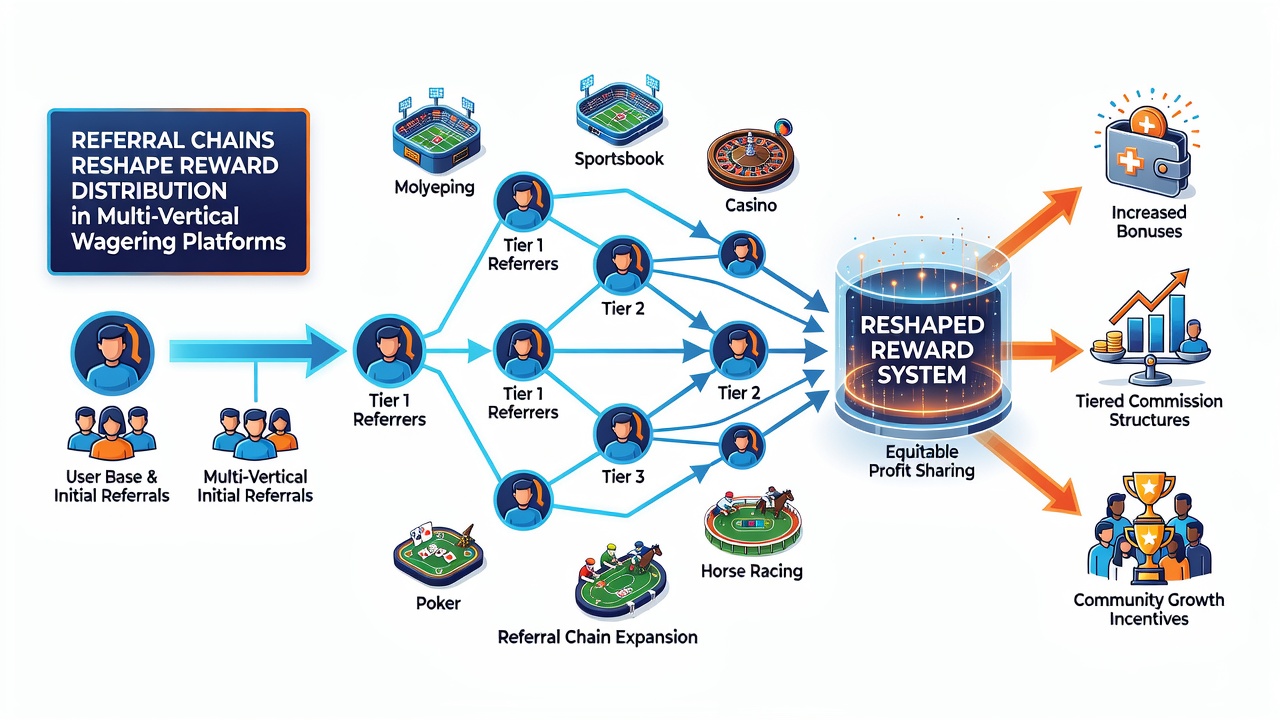
Referral chains operate through tiered payout structures where each level receives a declining percentage of the referred user's generated value. The first referrer might claim 20 percent of the recruit's first-month activity, the second level receives 10 percent, and deeper tiers obtain smaller shares that extend the distribution window. This model replaces the flat one-time bonuses common in earlier programs and spreads rewards over longer periods as the chain expands.
Multi-vertical integration adds complexity because rewards earned in one section can convert into credits usable in another. A sports bettor who refers a friend might see casino comps appear in their account when the friend plays table games, while the friend gains access to poker rakeback after completing sports-related milestones. Operators track these conversions through unified player accounts that monitor activity across all verticals simultaneously.
Observed Patterns in July 2026 Data
Figures compiled during July 2026 reveal that referral chains accounted for 34 percent of new account registrations on major multi-vertical sites, up from 19 percent in the same month of the previous year. Average reward distribution per chain reached 2.8 recipients compared with 1.4 recipients under single-tier systems. These shifts coincide with platform updates that introduced automated tracking tools capable of following referral sequences across sports, casino, and live dealer sections without manual intervention.
Analysts note that chains crossing vertical boundaries generate higher lifetime values because referred users tend to sample additional products when incentives link directly to diverse activity. One documented sequence showed a sports referral leading to casino play, then to a poker tournament entry, with rewards distributed to four separate participants in the originating chain.
Impact on Platform Economics
Operators have adjusted bonus budgets to accommodate longer chain durations, allocating funds across extended periods rather than concentrating them at the point of first registration. This approach reduces immediate cash outflows while maintaining user engagement through recurring micro-rewards that appear when downstream participants reach activity thresholds. Reports from North American operators indicate that chain participants demonstrate 22 percent higher cross-vertical engagement than users acquired through direct advertising channels.
Regulatory filings in several jurisdictions document these changes without restricting the practice itself. Data released by the National Council on Problem Gambling and similar bodies in other regions track how reward distribution now occurs through multiple accounts rather than single endpoints. The pattern creates measurable differences in how promotional value reaches end users compared with earlier flat-rate models.
Technical Infrastructure Supporting Chains
Modern platforms employ graph-based databases that map relationships between users across verticals in real time. When a new participant joins through an existing chain, the system automatically calculates and assigns reward shares based on predefined percentages and activity categories. This automation allows operators to expand chains to five or six levels without proportional increases in administrative overhead.
Players who participate in multiple chains sometimes receive overlapping rewards when their activity satisfies conditions in separate sequences. One case examined in industry analyses showed a user earning both casino loyalty points and sports free bets because their deposits triggered conditions in two distinct referral chains originating from different verticals.
Conclusion
Referral chains have reconfigured reward distribution by extending payout sequences across multiple tiers and verticals, producing measurable changes in registration volumes, engagement metrics, and budget allocation. July 2026 data confirm continued growth in chain length and cross-category participation, supported by unified tracking systems that operators now deploy as standard infrastructure. These developments reflect broader platform strategies that connect separate product lines through shared reward pathways rather than isolated promotional offers.